
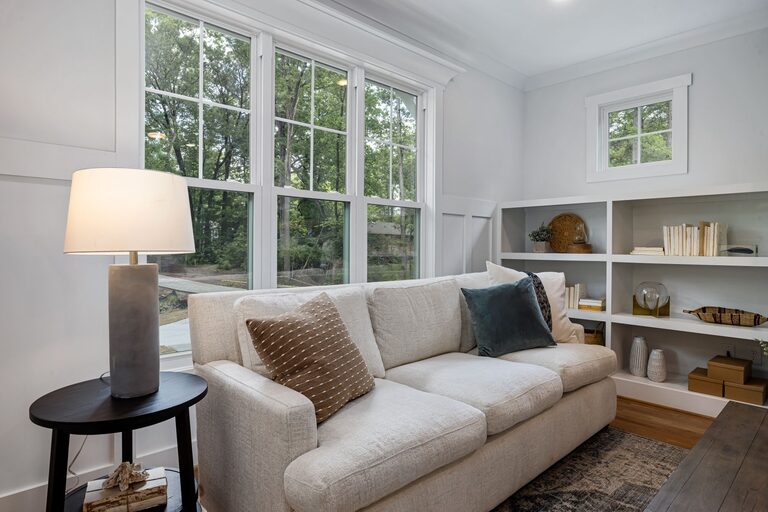
A dark room can feel cramped, dull, and uninviting. Whether it’s a basement, a windowless room, or just a space that doesn’t get much natural light, brightening it up can make a surprising difference in your home’s overall atmosphere. Luckily, you don’t need a major renovation or expensive tools to add light and life to a dark room. With a few thoughtful changes and creative ideas, you can transform it into a warm, airy, and cheerful space.
In this post, we’ll cover quick and effective strategies to brighten a dark room, including lighting tips, color choices, and décor tricks. Let’s dive in!
1. Use Layered Lighting
Good lighting is the foundation of a bright room. Instead of relying on a single overhead light, create layers of lighting to enhance brightness and add depth.
Types of Lighting to Consider
– Ambient Lighting: The main source of light, such as ceiling fixtures or recessed lights, which evenly illuminates the space.
– Task Lighting: Focused lighting like desk lamps or reading lights, helping with specific activities.
– Accent Lighting: Decorative lights such as wall sconces, LED strips, or table lamps add warmth and highlight features.
Tips for Bright Lighting
– Use multiple light sources placed throughout the room.
– Choose LED bulbs with a high lumen output and a color temperature of 3000K to 4000K for a soft, natural glow.
– Consider dimmable fixtures to adjust brightness according to the time of day or mood.
2. Opt for Light Colors on Walls and Ceilings
Color plays a major role in how light interacts with a room. Dark walls absorb light, while light colors reflect it, making the space feel brighter.
Best Colors for Brightening
– Whites and Off-Whites: Classic choices that reflect the most light.
– Pale Neutrals: Soft grays, beiges, or taupes work well without feeling stark.
– Pastels: Light blues, greens, or blush tones add a hint of color and maintain brightness.
Painting Tips
– Paint the ceiling a shade lighter than the walls to enhance the room’s height and openness.
– Use satin or semi-gloss finishes to reflect more light compared to flat paints.
– Avoid overly dark or matte finishes in small, dark rooms.
3. Maximize Natural Light
If the room has windows, even if small, make the most of natural light.
Strategies to Amplify Daylight
– Use sheer or light-colored curtains instead of heavy drapes.
– Keep window areas clear of bulky furniture or clutter.
– Add mirrors opposite windows to reflect sunlight deeper into the room.
– Clean windows regularly to allow the maximum amount of light in.
4. Incorporate Mirrors and Reflective Surfaces
Mirrors aren’t just decorative—they are powerful tools to brighten spaces by bouncing light around the room.
How to Use Mirrors Effectively
– Place a large mirror on a wall opposite a window for maximum reflection.
– Use mirrored furniture or decorative items like trays, vases, or picture frames.
– Consider a mirrored backsplash or tiles in rooms like kitchens or bathrooms.
5. Choose Bright and Light Furnishings
Furniture can impact how bright a room feels. Dark or bulky items can absorb light and visually weigh down a space.
Ideas for Furniture and Fabrics
– Select light-colored upholstery like cream, beige, or soft pastels.
– Choose sleek, minimal designs rather than heavy, overstuffed pieces.
– Incorporate transparent furniture made from glass or acrylic to allow light to flow freely.
– Use light-colored area rugs to brighten floors, especially on dark wood or carpet.
6. Add Greenery and Vibrant Accessories
Plants and colorful accents bring life and energy to a room without darkening it.
How to Add Brightness with Décor
– Choose plants with bright green leaves; they add freshness and can brighten a dull corner.
– Use cushions, throws, and artwork in light or vibrant colors to create visual interest.
– Avoid overly dark or heavy décor pieces that absorb light.
7. Declutter and Organize
A crowded room often feels smaller and darker. Creating a clean, organized space allows light and air to circulate freely.
Tips for Decluttering
– Remove unnecessary items and furniture that block light or flow.
– Use storage solutions that keep belongings out of sight.
– Keep surfaces clear and tidy to prevent a cramped feeling.
8. Consider Smart Window Treatments
For rooms with limited natural light or privacy concerns, window treatments can be both functional and help brighten.
Options to Consider
– Adjustable blinds that allow light in without compromising privacy.
– Light-filtering shades that diffuse sunlight softly.
– Avoid dark or heavy fabrics that block out natural light.
9. Use Light Flooring Materials
Flooring colors and materials influence how light behaves in a room.
Flooring Tips
– Light hardwood, laminate, or vinyl flooring helps reflect light.
– Pale-colored rugs can add brightness and warmth.
– Avoid dark carpets or floors if you want a bright, open feel.
10. Add a Pop of Metallic Shine
Small touches of metallic finishes can catch and reflect light, adding sparkle to a dark room.
Ideas for Metallic Accents
– Lamps with brass or chrome bases.
– Picture frames, vases, or candlesticks in gold, silver, or copper.
– Metallic wall art or light fixtures.
—
Final Thoughts
Brightening a dark room does not always require costly renovations. By focusing on lighting, colors, decluttering, and thoughtful décor choices, you can quickly create a warm, inviting environment. Experiment with these ideas to find the perfect combination that suits your style and space, and enjoy a brighter, more cheerful room every day!