
Reducing food waste at home is beneficial not only for your wallet but also for the environment. Wasting food means wasting the resources used to produce, transport, and store it. Fortunately, there are many practical ways to minimize food waste without a lot of effort. This post will guide you through useful tips and habits you can adopt to make your home more sustainable.
Why Reducing Food Waste Matters
Before diving into the solutions, it helps to understand the impact of food waste. Globally, about one-third of all food produced for human consumption is lost or wasted. At home, food waste often happens because we buy more than we need or forget leftover meals in the fridge. By reducing waste, you:
– Save money by buying only what you will use
– Reduce greenhouse gas emissions linked to food production and landfill
– Contribute to a more sustainable food system overall
Smart Shopping: The First Step to Less Waste
Plan Your Meals Ahead
One of the easiest ways to prevent food waste is to plan your meals for the week. Writing down what you intend to cook helps you buy the exact ingredients you need, reducing impulse purchases and excess food.
– Check your pantry and fridge before shopping
– Create a shopping list based on your plan
– Stick to your list as much as possible
Buy Only What You Need
Try not to buy food items in bulk unless you are sure you will use them all before they spoil. Often, smaller packages or loose produce are better options if you plan to use only small quantities.
Choose Fresh Produce Wisely
When picking fruits and vegetables, select those that are firm and unbruised. Overripe or damaged items tend to spoil faster and might go to waste.
Proper Storage Extends Food Life
How you store food can significantly influence how long it stays fresh.
Use Airtight Containers
Transfer opened packages of cereals, breads, or snacks into airtight containers to keep them fresh longer and prevent pests.
Store Fruits and Vegetables Separately
Some fruits release natural gases that can speed up ripening of nearby vegetables. Keep them separated to maintain freshness.
Understand Refrigerator Zones
Some parts of the fridge are colder than others. Store meat and dairy on colder shelves, and keep fruits and vegetables in the crisper drawers with proper humidity settings.
Creative Cooking to Use Leftovers
Instead of throwing away leftovers, turn them into new meals.
Repurpose Leftovers
Use leftover vegetables for soups or stir-fries, and transform stale bread into croutons or breadcrumbs.
Freeze for Later
If you can’t eat all your cooked food within a few days, freeze portions to enjoy later. Label your containers with dates to keep track.
Use Up Food Scraps
Vegetable peels and stems can be used to make homemade broth, reducing waste and enhancing flavor.
Keep Track and Practice Portion Control
Serve Smaller Portions
Start with smaller servings at mealtime. You can always go back for more if you’re still hungry, helping to avoid uneaten food.
Monitor Expiration Dates
Organize your fridge and pantry so that older items are used first. Place foods with earlier expiration dates in front to remind you to consume them soon.
Composting: Turning Waste into Resource
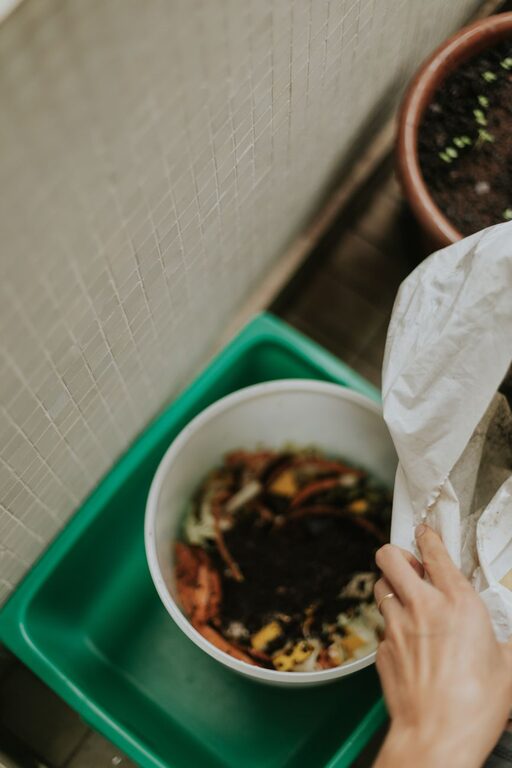
When food scraps are unavoidable, composting is a great way to recycle organic waste.
Start a Compost Bin
Collect vegetable peels, coffee grounds, eggshells, and other compostable waste. If you don’t have a garden, look for community composting programs.
Benefits of Composting
Compost enriches soil, reduces landfill waste, and lowers greenhouse gas emissions from rotting food.
Educate and Involve Your Household
Reducing food waste is easier when everyone in the home understands its importance.
– Share these tips with family members
– Encourage responsible food habits with children, like taking only what they will eat
– Have regular discussions about what’s left in the fridge and plan to use it
Final Thoughts
Reducing food waste at home is a simple but powerful step toward a more sustainable lifestyle. With a bit of planning, mindful shopping, proper storage, and creativity, you can save money and help protect the planet. Start implementing these strategies today and notice the positive impact they bring to your kitchen and beyond.